

Saint Peter’s University strengthens educational ties with Mexico
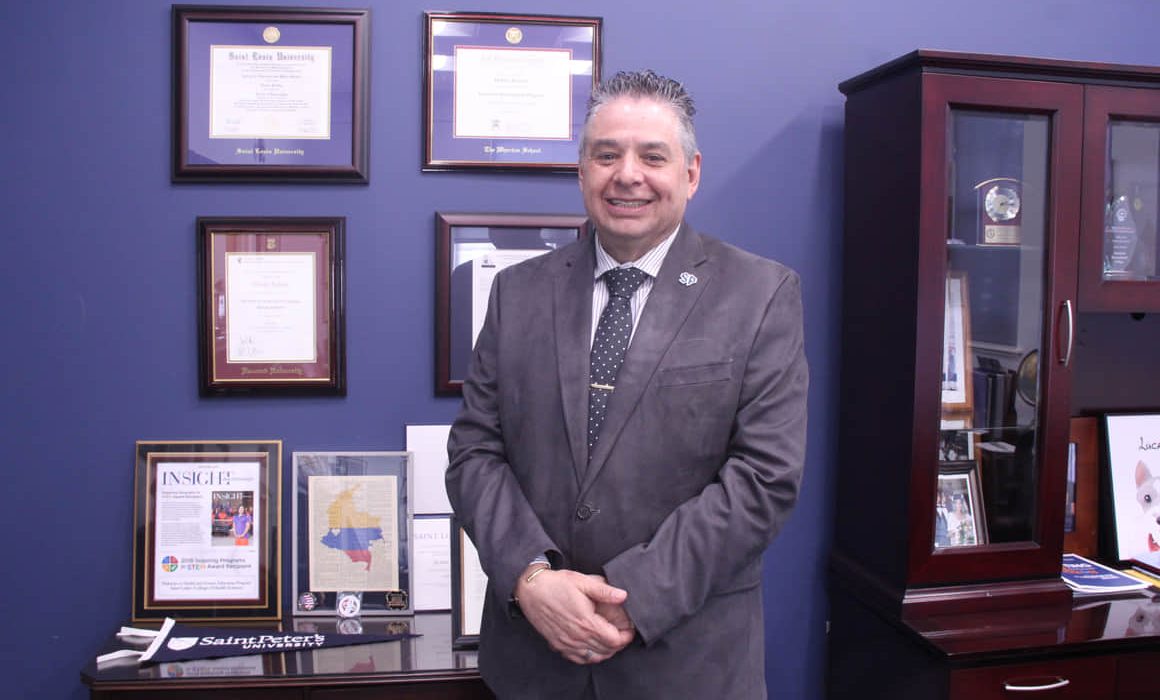
JERSEY CITY, New Jersey, US, February 27th, 2026.- Hubert Benítez, the 23rd president of Saint Peter’s University and the first latino to hold the position, traveled to Michoacán, Mexico, to build bridges through education on a mission to “work selflessly for the common good of the students and youth of the state.”
With more than 25 years of experience in higher education and now serving his third university presidency, Benítez is leading a new phase of global expansion for the Jesuit institution based in Jersey City. Mexico has become a key part of that vision.
“We did not arrive with the intention to compete. We arrived with the intention of opening the doors of our university,” Benítez said in an interview with Quadratín Hispano.
During his visit, the Colombian-born academic leader met with representatives from more than 20 universities and over a dozen high schools in Morelia and across the state to explore strategic partnerships designed to expand educational opportunities for students in both countries.
“It is difficult to find a network with such a solid mission,” he said, referring to the collaborative initiative Juntos por Michoacán.
Saint Peter’s presented what Benítez described as, “a proposal of alliance, a proposal of friendship, and a proposal of brotherhood,” aimed at adding measurable value to students’ academic experiences.
The partnerships under discussion span short-term residencies for students, faculty, and administrators; micro-credentials and certifications; dual-degree programs at the undergraduate and graduate levels; and even doctoral-level collaborations. Each agreement, Benítez emphasized, will be tailored to the specific needs of participating institutions.
“How can we make an impact not just on a few students, but on the broader student population?” he asked.
Expanding access and breaking barriers
The president acknowledged two major barriers that often limit Latin American students’ access to U.S. higher education: language and cost.
To address the language barrier, the university has developed a Master’s in Business Administration offered entirely in Spanish. The program can be completed virtually, in a hybrid format, in person in New Jersey, or delivered abroad — allowing students to pursue a U.S. graduate degree without English proficiency becoming a limitation.
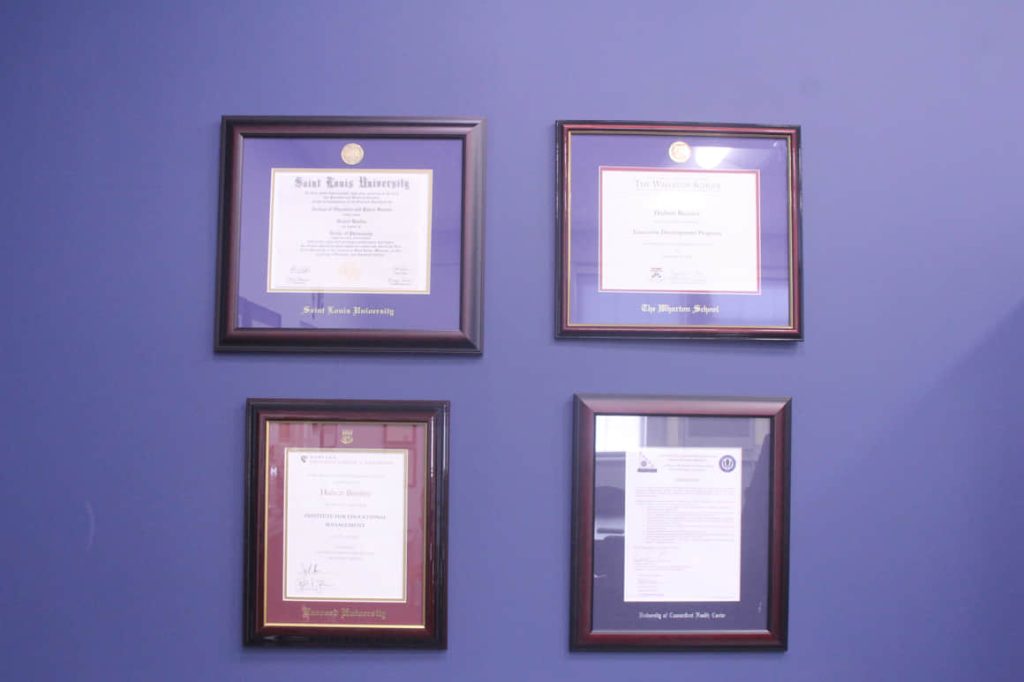
On the financial side, the university is prepared to implement adjusted tuition structures to improve access for international students. These efforts align with Saint Peter’s new strategic plan, Igniting the Mission, which prioritizes global expansion and the internationalization of the campus.
Enriching the Campus Community
Saint Peter’s University is a federally designated Hispanic-Serving Institution (HSI), with more than 25 percent of its student population identifying as Hispanic or Latino. It ranks among the top 20 HSIs nationwide, reflecting its longstanding commitment to Latino communities.
Benítez emphasized that the benefits of the partnerships extend beyond Mexico.
“These interinstitutional agreements will not only help the country whose doors we are opening, in this case Mexico, but also our local students,” he said.
Many Saint Peter’s students are first-generation college students of Latin heritage who were born and raised in the United States and may not have had the opportunity to fully connect with their cultural roots. The partnerships create opportunities for short-term cultural and academic immersion abroad while also bringing international students to Jersey City.
At the same time, the presence of international students enriches the academic and social environment for the entire campus community. “Globalization and internationalization of the university campus enrich all students, faculty, and staff alike,” he said.
What’s next?
As a Jesuit Catholic institution grounded in principles of social justice, Saint Peter’s views international engagement as central to its mission, that’s what Jesuit education is all about,” Benítez said. “Providing access and opportunity.”
The next phase focuses on implementation. The university expects to begin seeing tangible results as early as this summer, including short-term stays for students from Michoacán, the development of micro-credentials, and enrollment in the Spanish-language MBA program.
For the president, the broader purpose remains clear.
“I am one hundred percent convinced that education is the path to change,” he said. “When you change the life of one student, you change a family. When that family impacts the community, society begins to change.”